May 1, 2026
For homeowners not connected to municipal sewer systems, maintaining a septic system is one of the most important responsibilities that comes with the property. Septic pumping is at the heart of that maintenance — it is the process by which accumulated waste is removed from the tank, keeping the system functional, efficient, and safe. Without it, waste overflow, drain field damage, and serious health hazards can develop quickly and without much warning. Understanding how septic systems work and what they need to perform reliably is essential knowledge for any homeowner who depends on one.
Understand How Septic Systems Work
A septic system is a decentralized wastewater treatment structure used in areas without centralized sewer access. It consists primarily of a septic tank and a drain field, working together to process and filter household waste. Wastewater flows from the home's plumbing into the tank, where solids settle as sludge at the bottom and lighter materials like grease form a scum layer on top. Natural bacterial activity within the tank breaks down a portion of the solids, but complete decomposition is not possible, which is why regular septic pumping is a necessary part of ownership. The partially treated effluent then flows to the drain field, where the soil provides a final stage of filtration before the water re-enters the groundwater system.
Septic systems come in conventional and alternative varieties, with the right choice depending on soil conditions, property size, and environmental factors. Conventional systems use gravity-fed drain fields and are suitable for most residential properties with well-drained soil. Alternative systems — such as mound systems, pressure distribution systems, or aerobic treatment units — are designed for sites where soil quality or water table levels make conventional designs impractical. Regardless of the type, all septic systems share the same fundamental components: the tank, the drain field, and the soil that acts as the final treatment medium. Understanding these components helps homeowners recognize what their system needs to function properly over the long term.
Recognize the Signs of Septic System Failure
Knowing when something is wrong with a septic system can prevent a manageable problem from becoming a serious and disruptive one. Slow drains, gurgling sounds in pipes, and persistent plumbing backups are among the earliest indicators that the system may be reaching capacity or experiencing a blockage. Foul odors near the septic tank or around drain fixtures inside the home are another common warning sign that should not be ignored. Surface pooling of wastewater near the tank or drain field, as well as unusually lush or green patches of grass directly above those areas, can signal that effluent is leaking from an overtaxed or failing system.
These warning signs carry real consequences if left unaddressed. Raw sewage backing up into the home creates unsanitary conditions and potential property damage, while untreated effluent leaking into the soil can contaminate nearby groundwater sources and local ecosystems. Regulatory agencies in many areas mandate timely remediation of septic system failures, and non-compliance can result in fines or required system replacements. Homeowners who monitor their systems closely and respond promptly to these warning signs are far better positioned to avoid the disruption and expense that come with a full system failure.
Learn Why Septic Pumping Is Essential
Septic pumping is the single most important maintenance task for keeping a septic system healthy and operational. Over time, the sludge and scum layers inside the tank build up to the point where they reduce the tank's usable capacity and begin to interfere with the bacterial processes that break down waste. If those layers are not removed through regular pumping, solids can migrate into the drain field, clogging the perforated pipes and degrading the surrounding soil's ability to filter effluent. Once the drain field is compromised, repairs are extensive and disruptive — far more so than routine pumping would have been.
According to The Clever Homeowner, most households should have their septic tanks pumped every three to five years to prevent the accumulation of solids from overwhelming the system. The appropriate interval for any given household depends on factors such as the number of occupants, the size of the tank, and overall water usage patterns. Larger households or those with higher daily water demands may need to schedule pumping more frequently, while smaller households may be able to extend that interval slightly. Regardless of where a household falls within that range, sticking to a consistent pumping schedule is the most effective way to protect the system and avoid preventable failures.
Understand the Environmental and Health Implications
A well-maintained septic system is an important line of defense against environmental contamination. When systems are neglected and overflow occurs, untreated sewage can leach into the surrounding soil and reach groundwater sources that communities depend on for drinking water. Harmful pathogens, bacteria such as E. coli, and excess nutrients in the effluent can degrade water quality, harm aquatic ecosystems, and trigger algal blooms that deplete oxygen in nearby water bodies. Regular septic service reduces the risk of this kind of overflow, helping homeowners fulfill their role as stewards of the local environment.
The health implications of a neglected septic system are equally serious. Exposure to raw sewage — whether through direct contact, contaminated groundwater, or airborne pathogens — poses significant risks, particularly for children, the elderly, and pets. Methane gas produced during bacterial decomposition can also accumulate in improperly maintained tanks, creating a fire or respiratory hazard if not managed through proper venting and regular inspection. Routine septic pumping, paired with periodic professional evaluations, addresses these risks before they become emergencies. Responsible maintenance is not just about protecting property — it is about protecting the health and safety of everyone who lives in and around the home.
Know What to Expect From the Pumping Process
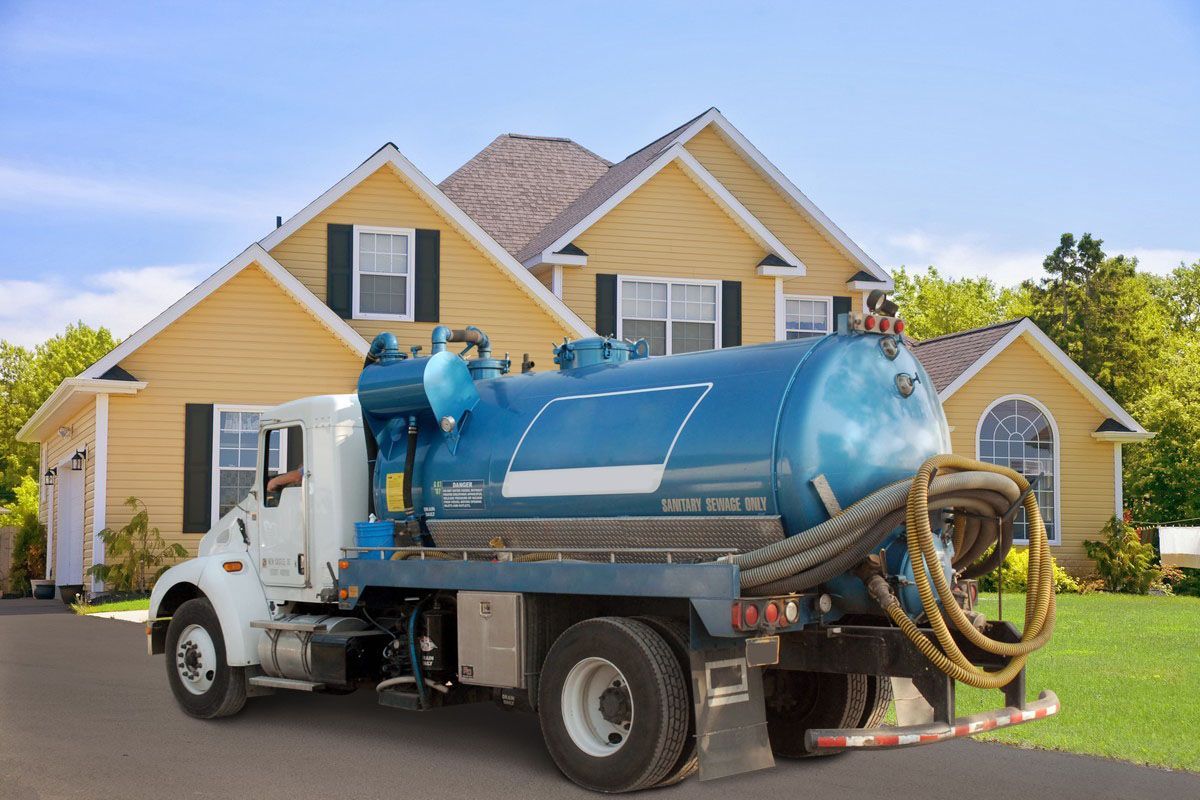
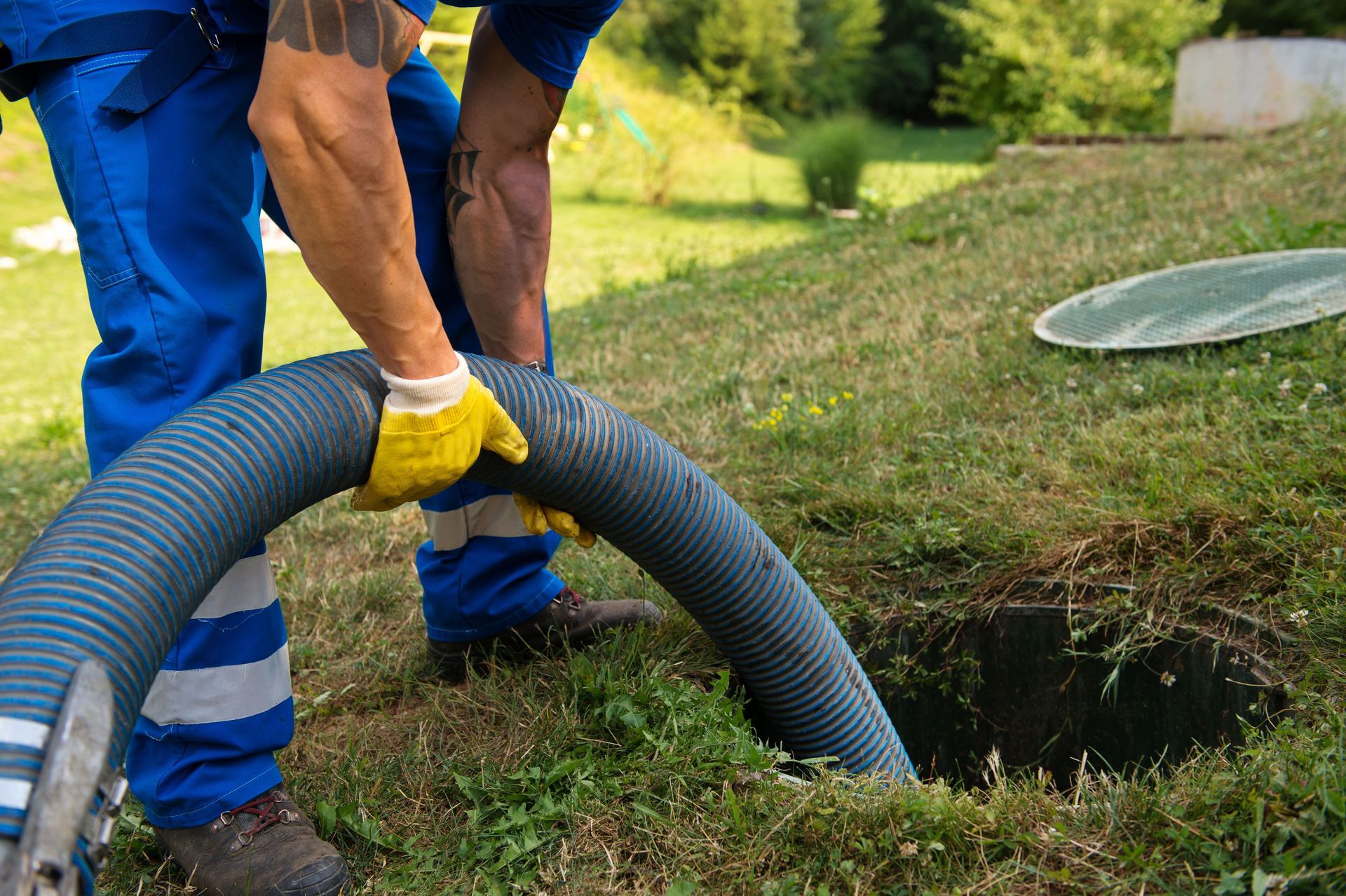
The septic pumping process itself is straightforward when handled by a licensed professional. A technician will locate and access the tank, typically through a buried access lid, and use a vacuum truck to remove the accumulated sludge and scum. During the visit, a reputable service provider will also inspect the tank's interior components — including the inlet and outlet baffles — for signs of damage or wear. This inspection is a valuable part of the service, as it can reveal developing issues that might not yet be causing visible symptoms but could lead to problems if left unaddressed.
Homeowners can help their service provider and extend the time between pumpings by following a few practical habits. Avoiding flushing non-biodegradable materials, limiting the use of harsh chemical cleaners that can kill beneficial bacteria in the tank, and being mindful of overall household water usage all contribute to a healthier system. Keeping accurate records of pumping dates and any repairs or inspections is also important, both for tracking the system's history and for demonstrating compliance with local regulations. Many jurisdictions require documented maintenance records, and having them readily available can simplify any future inspections or property transactions.
Septic pumping is a foundational element of responsible homeownership for any household that relies on a private waste management system. From preventing system failure and protecting environmental health to safeguarding the people who live in and around the home, regular pumping delivers benefits that extend well beyond the tank itself. Staying informed about how the system works, recognizing the signs of trouble early, and committing to a consistent maintenance schedule are the most effective steps a homeowner can take to protect this critical infrastructure. If you are ready to schedule your next septic pumping or have concerns about the condition of your system, contact us at Shady Knoll Septic Service, LLC today — we will help you keep your septic system running safely and efficiently for years to come.